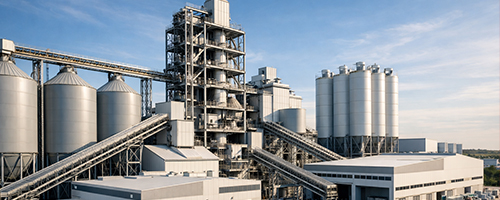
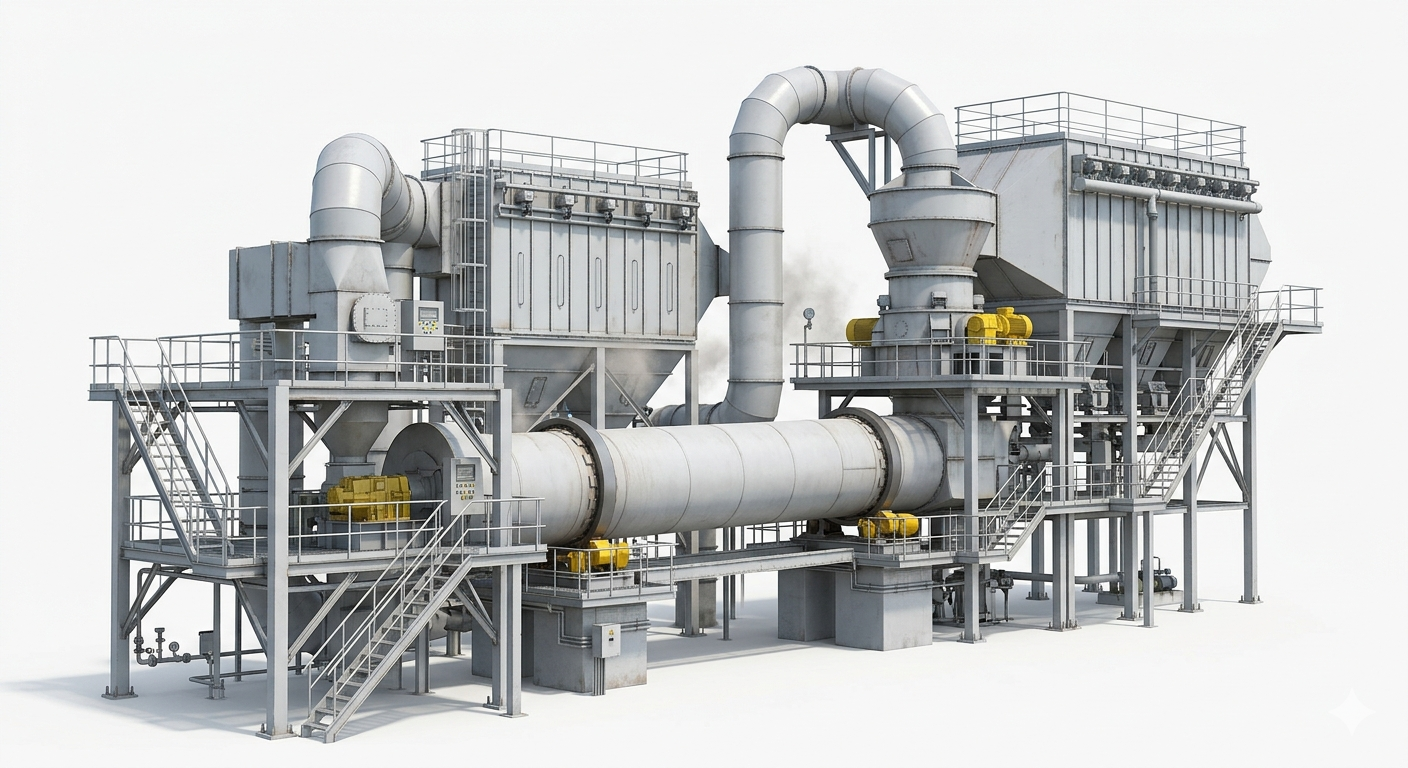
İsnatec builds gypsum plants that produce high‑quality alpha and beta gypsum from natural gypsum stone or FGD gypsum. Calcination, the critical step, is carried out with rotary kilns, vertical kettles, or reactor technology depending on process requirements. Each system is optimized for the setting time, strength, and purity of the final gypsum product.
Before calcination, gypsum stone is crushed and dried. İsnatec uses high‑efficiency roller mills or ball mills to reduce gypsum to 0‑3 mm, then lowers moisture below 10%. In the calcination unit, gypsum is subjected to controlled heat treatment (120‑200°C). The automation system monitors kiln temperature, retention time, and feed rate in real time, eliminating the risk of burnt or under‑calcined gypsum.
Energy consumption is a major cost factor. İsnatec designs systems that recover waste heat from calcination for pre‑drying or building heating. Dust in exhaust gases is captured by high‑efficiency cyclones and bag filters. A direct or indirect cooling unit preserves the setting properties of the gypsum. This integrated approach reduces operating costs by 25% compared to conventional plants.
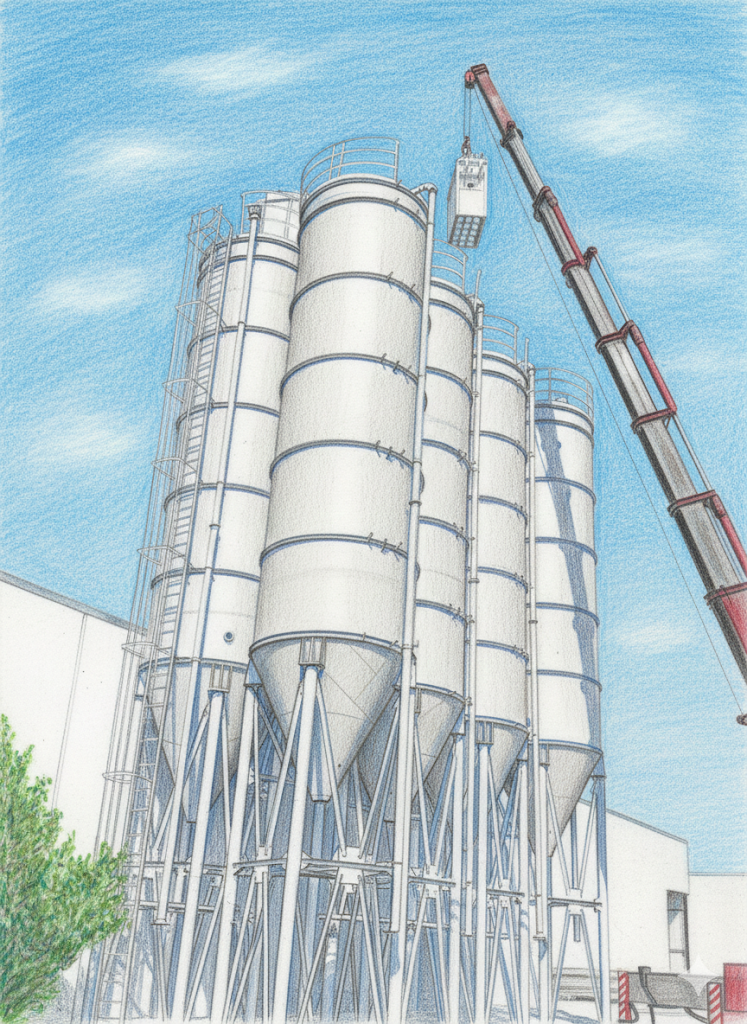
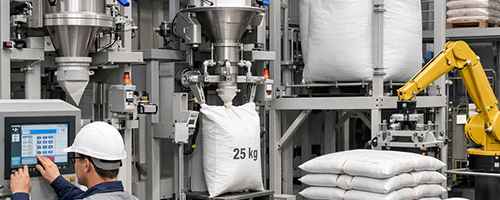
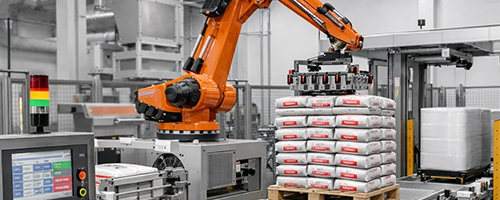
After production, gypsum is transferred to packaging units or silos via pneumatic conveying or bucket elevators. Filling can be done into valved cement bags or big‑bags. Additived gypsum for plasters, mortars, and joint fillers can also be produced. İsnatec gypsum plants deliver high output, low emissions, and excellent product consistency for construction chemicals and gypsum board manufacturers.